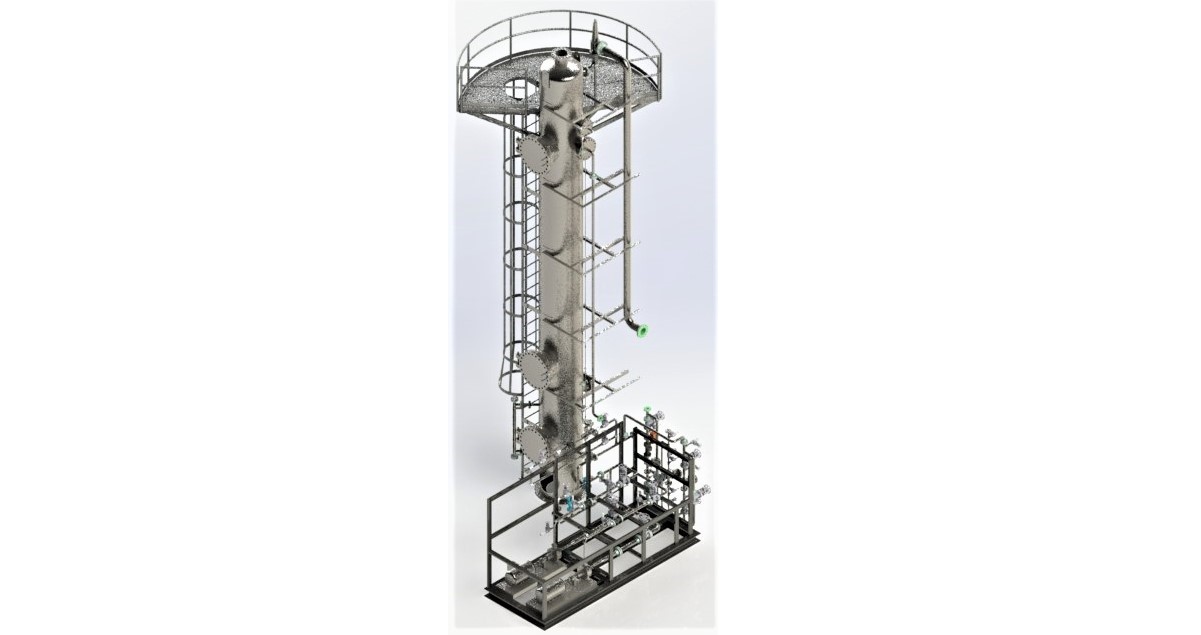
For economic reasons, a refinery desires to maintain refining capacity during periodic maintenance shutdown of their sulfur recovery unit (SRU). A temporary caustic scrubber had been used to remove sulfur from sour fuel gas during shutdown but was quite expensive [...]
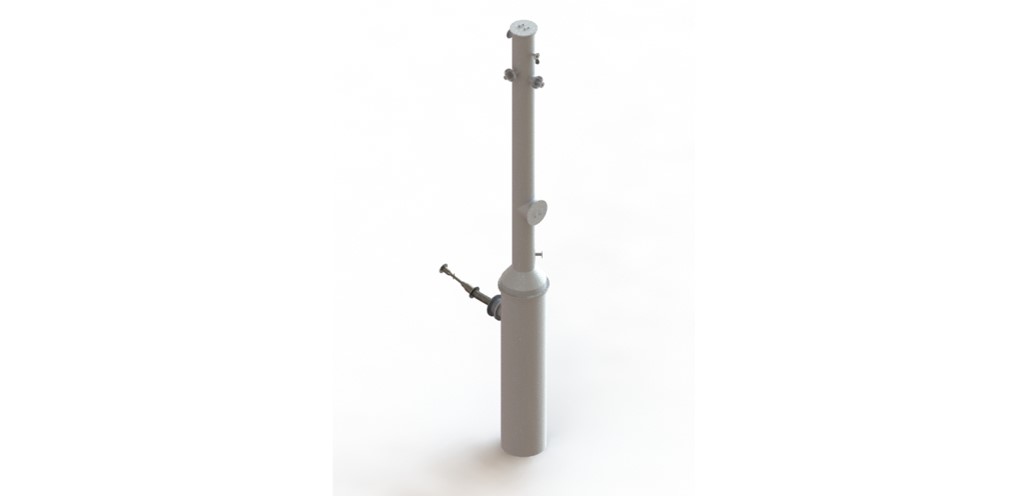
>A catalyst production facility operates a calciner that generates a small stream of hot dirty gas. The exhaust is cleaned using a particulate/SO2 scrubber followed by a vertical entrainment separator. The configuration is problematic for operation. The scrubber requires a [...]

A dual purpose, low flow scrubber is needed for a facility that extracts lithium from geothermal brine. The scrubber treats a chlorine (Cl2) rich stream from a chlor-alkali process and HCl from a caustic storage tank vent line. The [...]
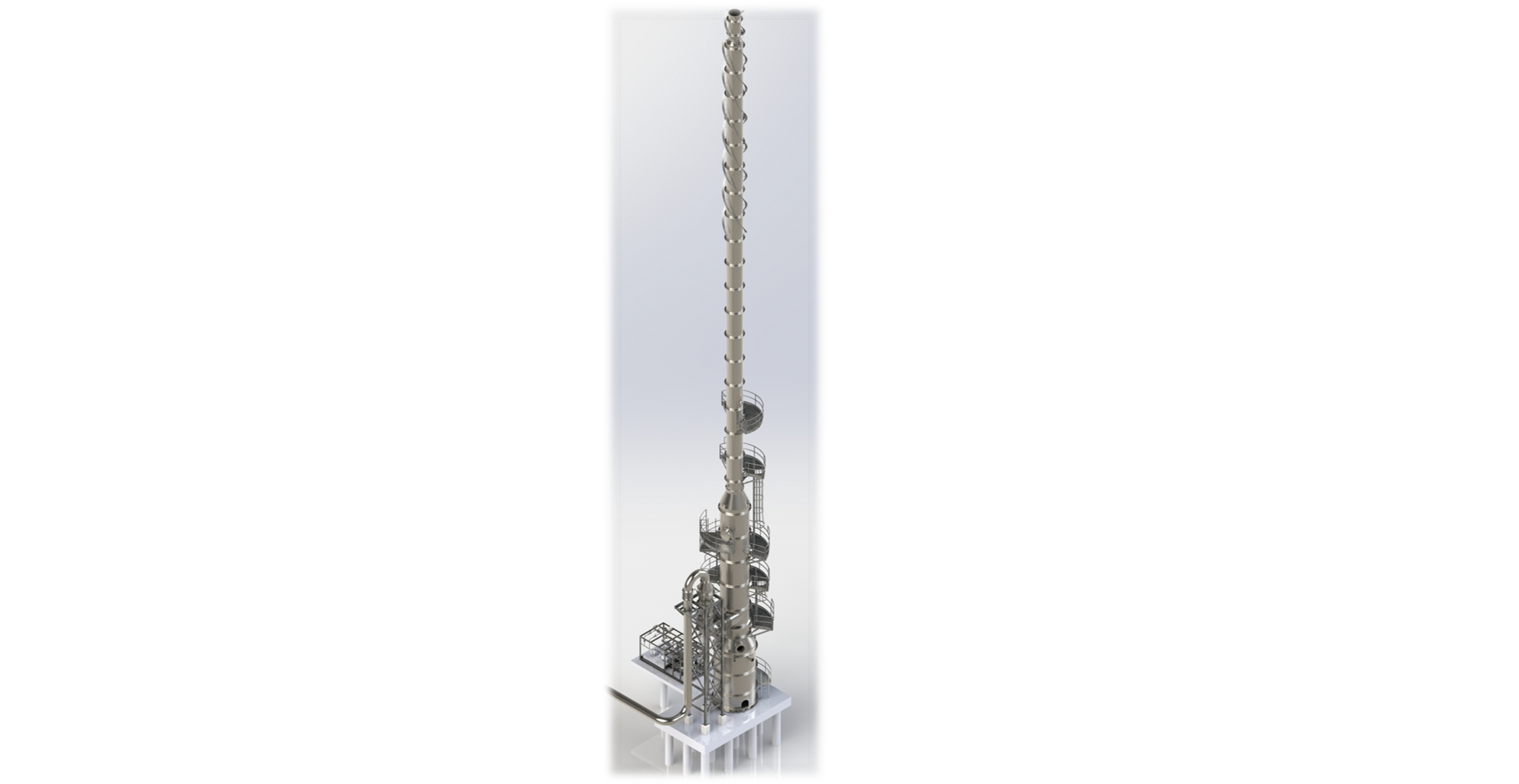
Thermal oxidation of fossil fuels or other sulfur containing material generates sulfur dioxide, SO2. Petroleum refineries, secondary lead smelters, paper and pulp manufacturers, geothermal power generators, waste incinerators, and mineral processors are the primary emitters of SO2. SO2 contributes [...]
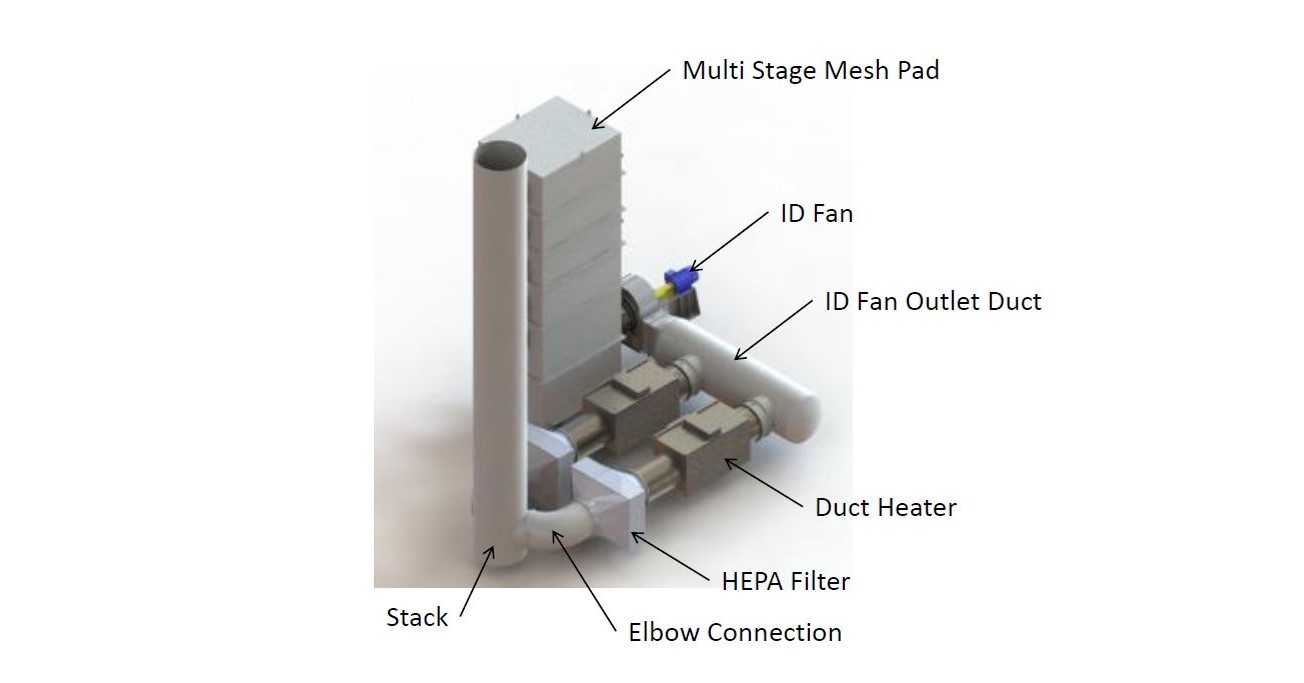
The California Air Resource Board (CARB) is considering new rules in California affecting chrome plating processes for metal finishers. An estimated 100,000 people participate in the chrome plating supply chain. A hundred and fifty chrome plating operations are in California. [...]

A common wet scrubber air pollution control application is the removal of sulfur dioxide (SO2) and related compounds from combustion processes. This class of compounds is often referred to as SOx. The formation of SOx and SO2 occurs from sulfur [...]
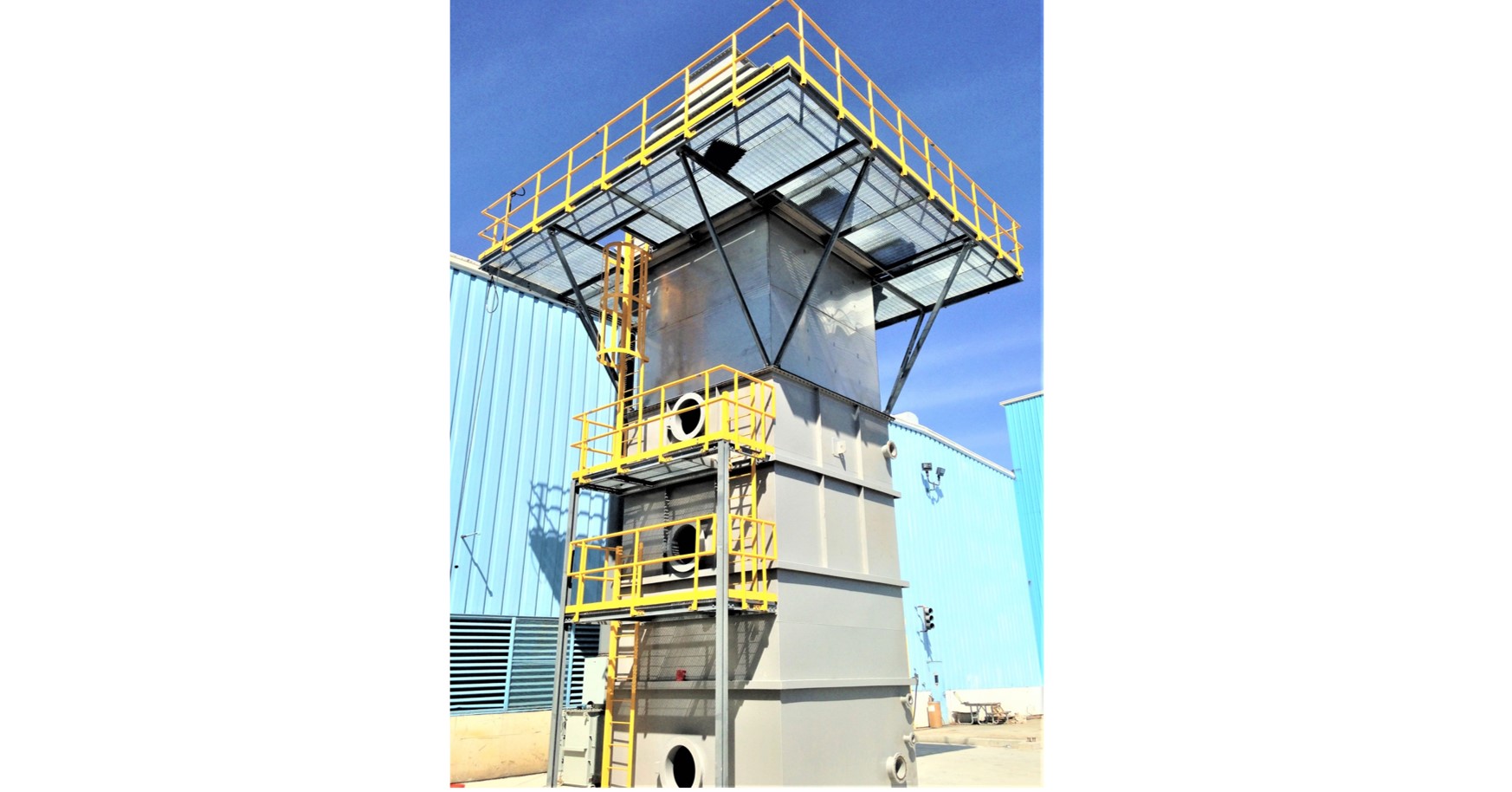
Industrial facilities are increasingly called upon to consider the use of wet electrostatic precipitators (WESPs) for emissions control as regulations for PM 2.5 and specific heavy metals become more stringent. Facility and Environmental, Health, and Safety (EHS) Managers may need [...]
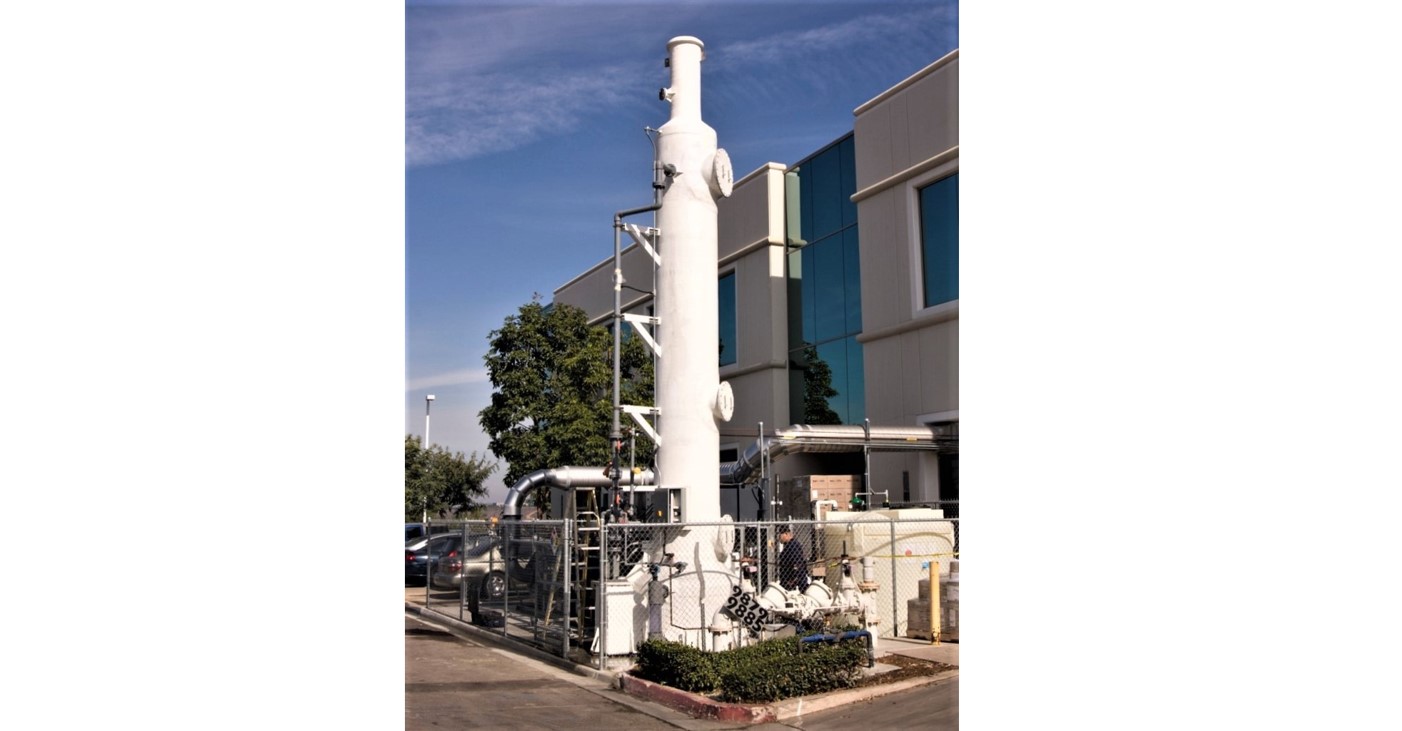
HCl emissions are encountered in a wide range of applications including hazardous waste combustors (HWC), medical waste incinerators, pharmaceutical production, and ceramic tile manufacturing. There is a wide range of performance requirements depending on the application and applicable state or [...]
Regenerative thermal oxidizer’s (RTO’s) are thermally efficient devices used to destroy low concentrations of volatile organic compounds (VOC’s). Chlorinated compounds, if present, oxidize into hydrochloric acid (HCl) which must be removed after the RTO. Two examples are Carestream Health in [...]
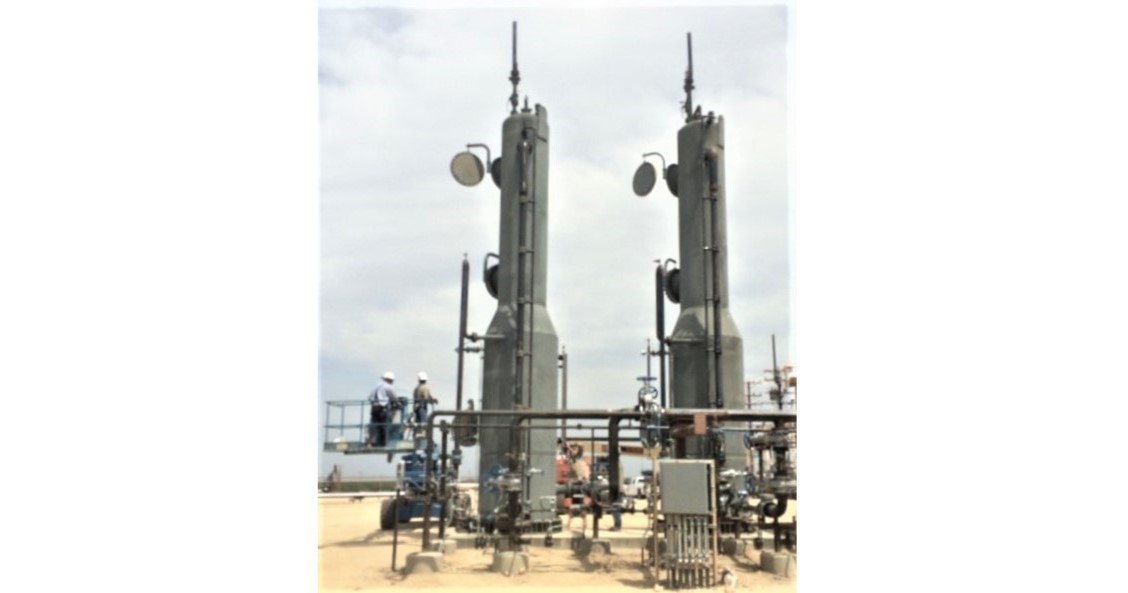
Vintage Petroleum, LLC, a subsidiary of Occidental Petroleum Corporation operates oil and gas fields in Lost Hills, California, northwest of Bakersfield. The fields operate steam boilers that use nearby canal water. High concentrations of dissolved oxygen in the canal water [...]


Topic: Scrubbers

Info
Contact
2924 Emerson Street
San Diego, CA 92106
619-223-9925
sales@envitechinc.com
Join Our Mailing list
Receive product updates and latest news
Info
Contact Us
2924 Emerson Street, Suite 320
San Diego, CA 92106
619-223-9925
sales@envitechinc.com
Join Our Mailing list
Receive product updates and latest news
© Copyright Envitech 2026