
A common wet scrubber air pollution control application is the removal of sulfur dioxide (SO2) and related compounds from combustion processes. This class of compounds is often referred to as SOx. The formation of SOx and SO2 occurs from sulfur [...]
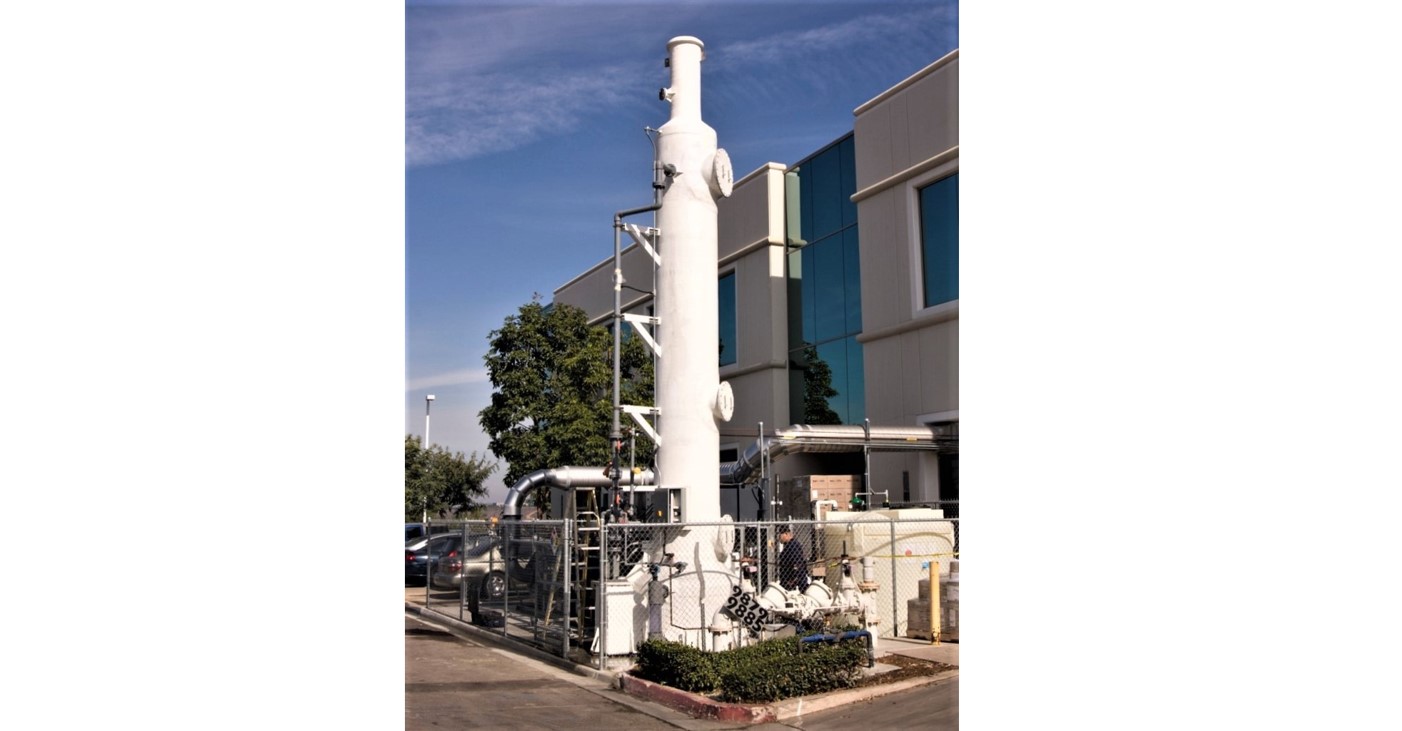
HCl emissions are encountered in a wide range of applications including hazardous waste combustors (HWC), medical waste incinerators, pharmaceutical production, and ceramic tile manufacturing. There is a wide range of performance requirements depending on the application and applicable state or [...]
Regenerative thermal oxidizer’s (RTO’s) are thermally efficient devices used to destroy low concentrations of volatile organic compounds (VOC’s). Chlorinated compounds, if present, oxidize into hydrochloric acid (HCl) which must be removed after the RTO. Two examples are Carestream Health in [...]
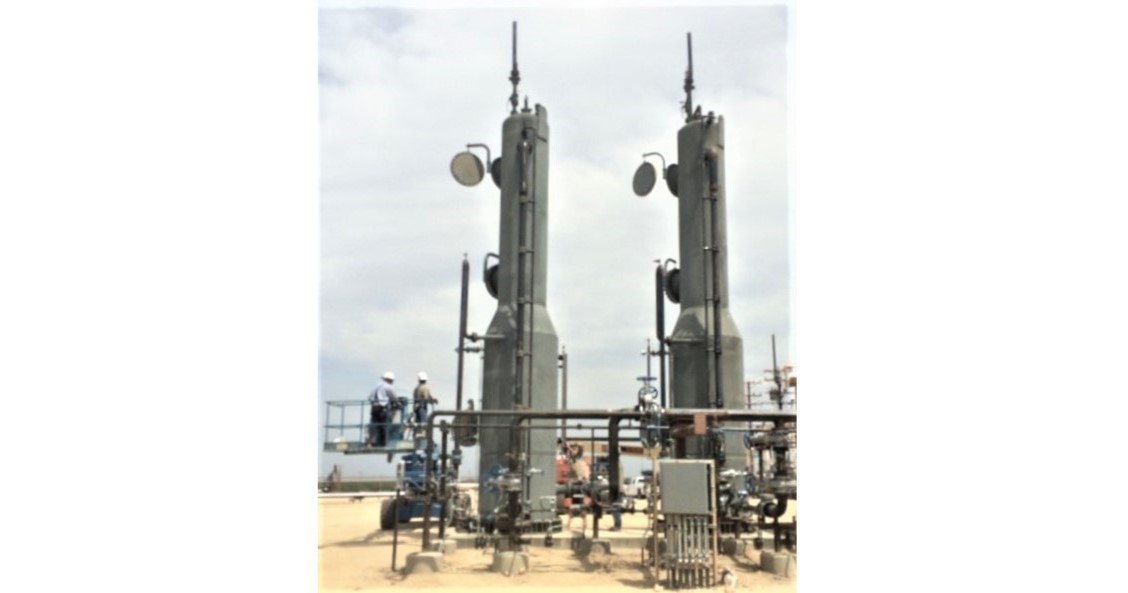
Vintage Petroleum, LLC, a subsidiary of Occidental Petroleum Corporation operates oil and gas fields in Lost Hills, California, northwest of Bakersfield. The fields operate steam boilers that use nearby canal water. High concentrations of dissolved oxygen in the canal water [...]

The metal recycling industry provides tremendous societal benefit by preserving natural resources and reducing greenhouse gases. Metal recycling entails pulverizing and shredding vehicles and appliances into smaller pieces to facilitate melting processes. Large mega shredders are often enclosed to capture [...]

BP Amoco was engaged in expanding production capacity for purified terephthalic acid (PTA) at the CAPCO 6 and Zhuhai 1 petrochemical plants in China. PTA is used in the manufacture of polyester resin and polyethylene terephthalate (PET) plastic bottles. It [...]

As the EPA continues to tighten the emissions belt, I am seeing new industries with air emissions issues. One such industry is pharmaceuticals, who are now more commonly regulated for acid gases on post-combustion devices. Pharmaceutical air emissions are typically [...]


Topic: Quenchers

Info
Contact
2924 Emerson Street
San Diego, CA 92106
619-223-9925
sales@envitechinc.com
Join Our Mailing list
Receive product updates and latest news
Info
Contact Us
2924 Emerson Street, Suite 320
San Diego, CA 92106
619-223-9925
sales@envitechinc.com
Join Our Mailing list
Receive product updates and latest news
© Copyright Envitech 2026