

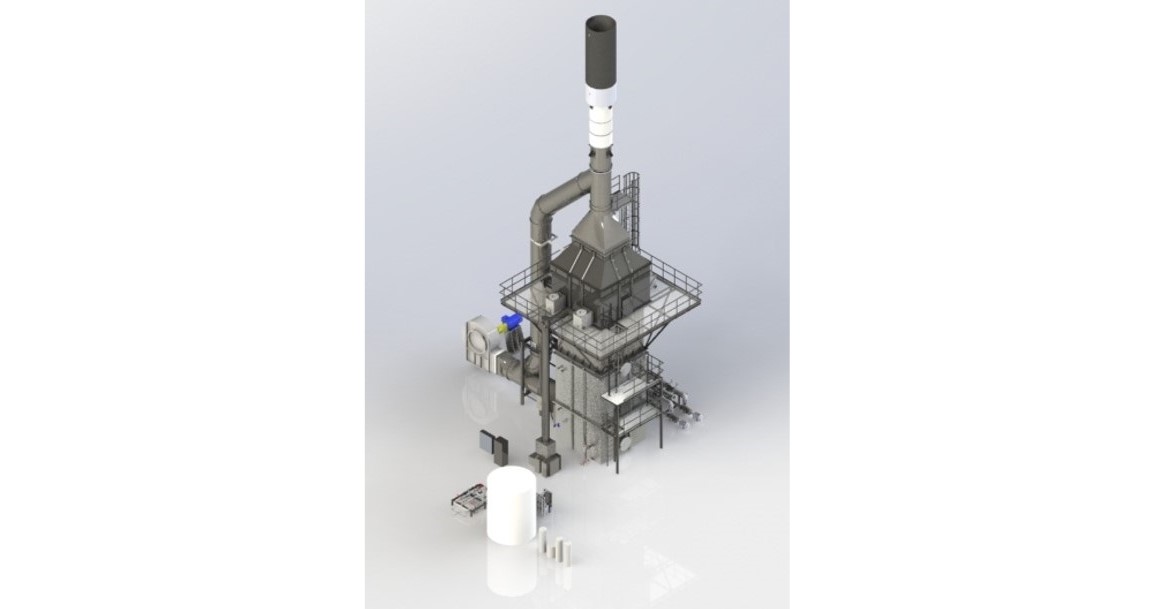
In 2012 Envitech supplied a wet electrostatic precipitator (WESP) to remove submicron particulate and lead particles from a metal processing coating device. Envitech recently completed the start-up of a 2nd WESP for a different coating device at the same facility. [...]

A dual purpose, low flow scrubber is needed for a facility that extracts lithium from geothermal brine. The scrubber treats a chlorine (Cl2) rich stream from a chlor-alkali process and HCl from a caustic storage tank vent line. The [...]
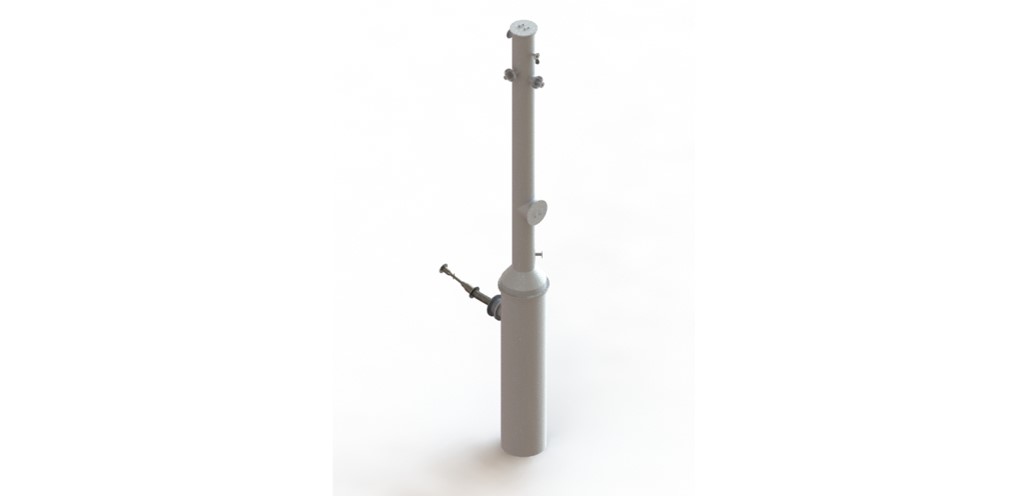
>A catalyst production facility operates a calciner that generates a small stream of hot dirty gas. The exhaust is cleaned using a particulate/SO2 scrubber followed by a vertical entrainment separator. The configuration is problematic for operation. The scrubber requires a [...]
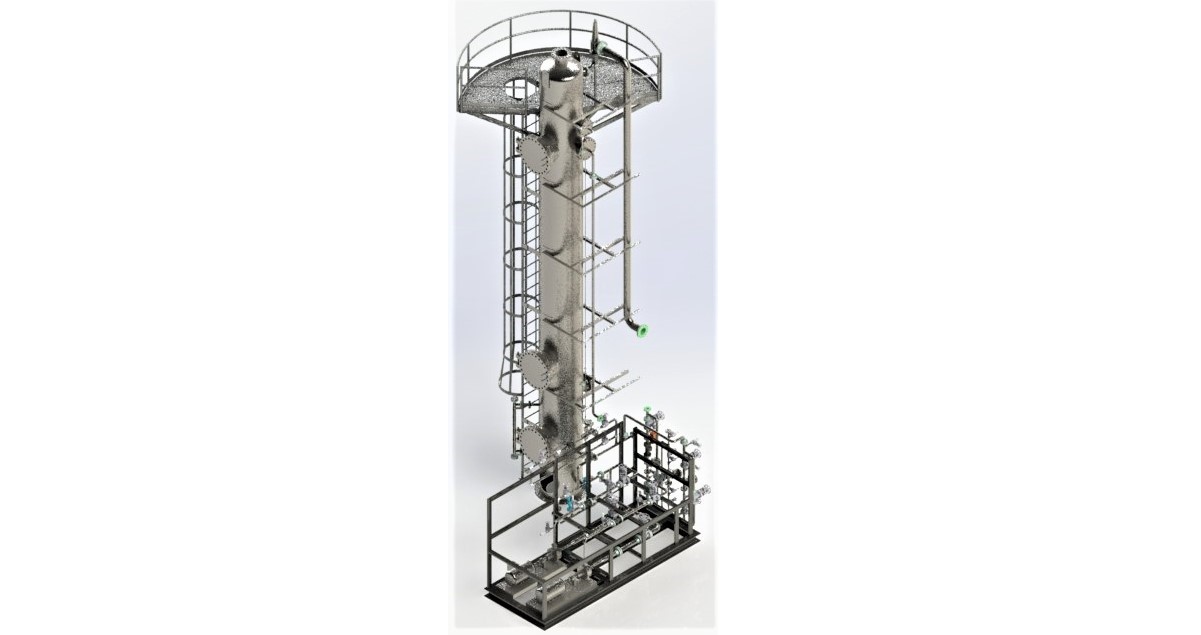
For economic reasons, a refinery desires to maintain refining capacity during periodic maintenance shutdown of their sulfur recovery unit (SRU). A temporary caustic scrubber had been used to remove sulfur from sour fuel gas during shutdown but was quite expensive [...]
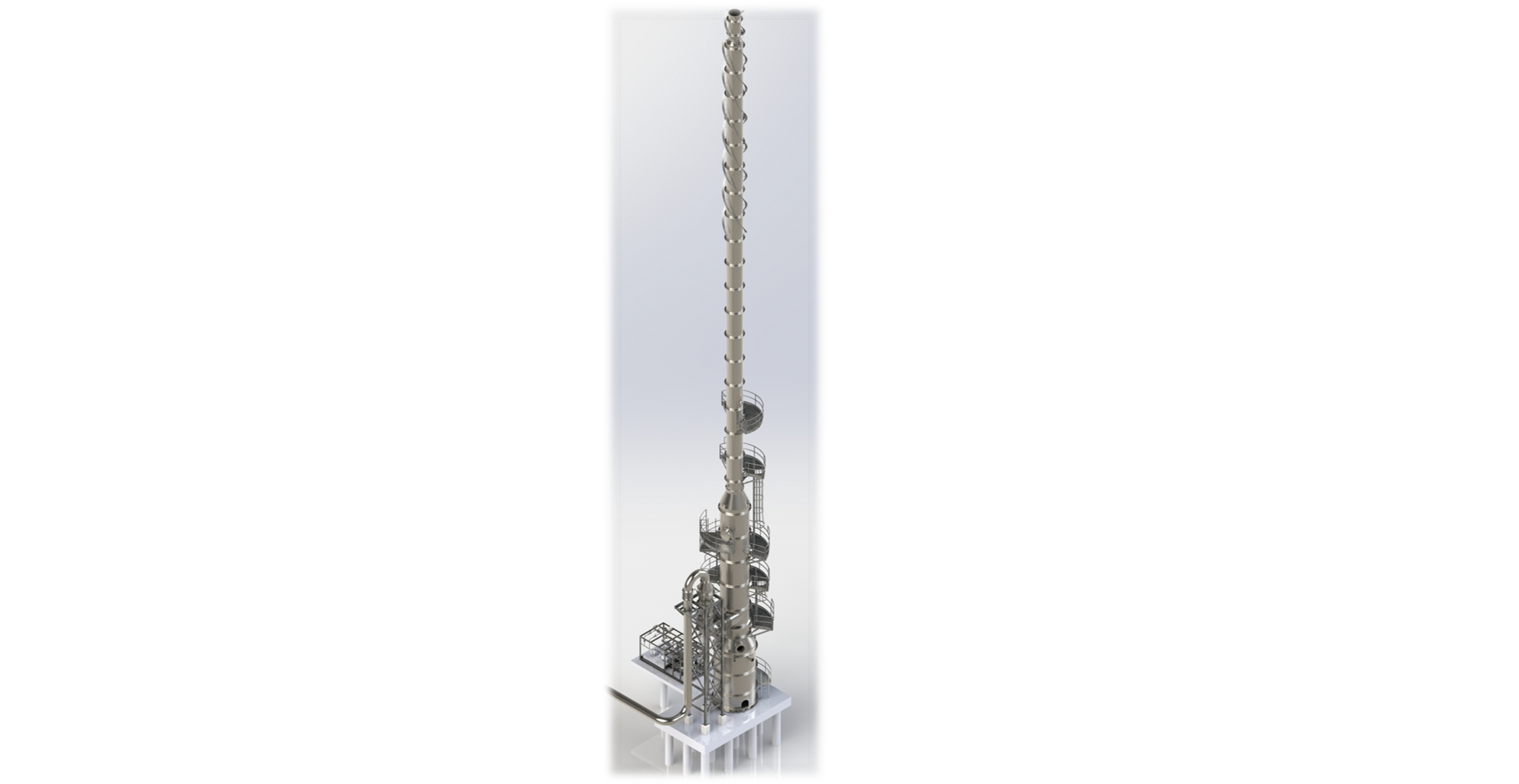
Thermal oxidation of fossil fuels or other sulfur containing material generates sulfur dioxide, SO2. Petroleum refineries, secondary lead smelters, paper and pulp manufacturers, geothermal power generators, waste incinerators, and mineral processors are the primary emitters of SO2. SO2 contributes [...]
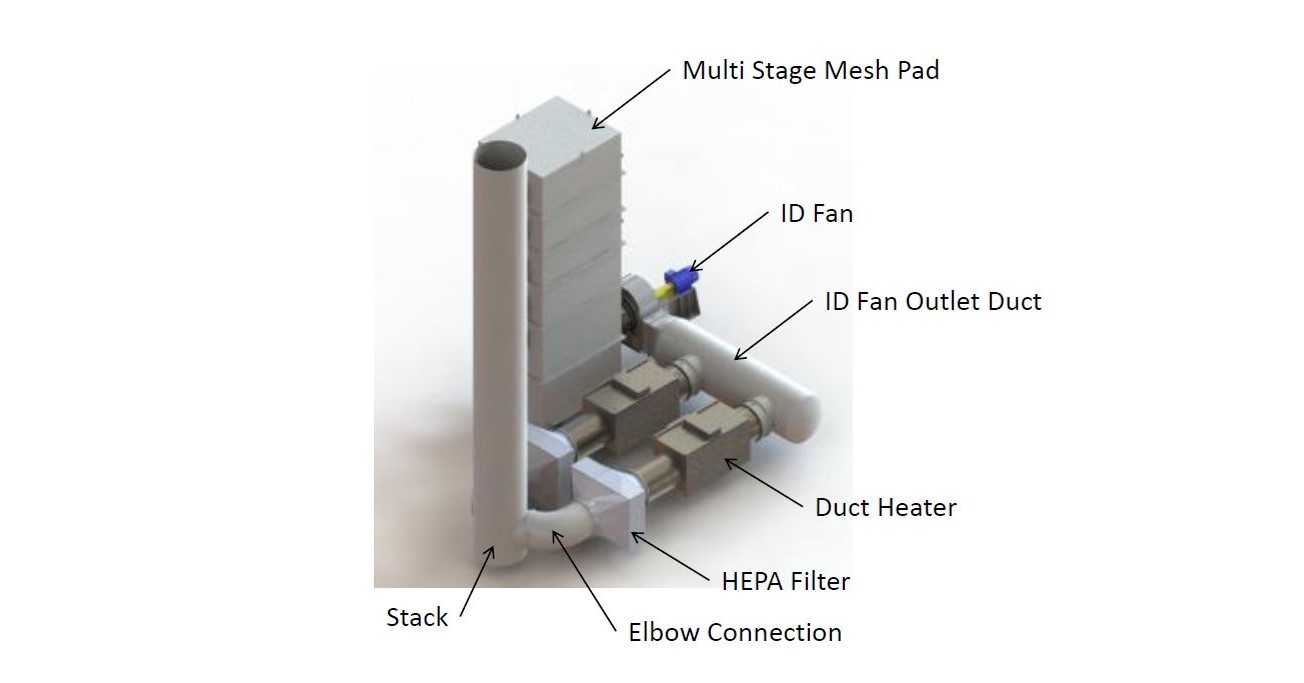
The California Air Resource Board (CARB) is considering new rules in California affecting chrome plating processes for metal finishers. An estimated 100,000 people participate in the chrome plating supply chain. A hundred and fifty chrome plating operations are in California. [...]

A common wet scrubber air pollution control application is the removal of sulfur dioxide (SO2) and related compounds from combustion processes. This class of compounds is often referred to as SOx. The formation of SOx and SO2 occurs from sulfur [...]
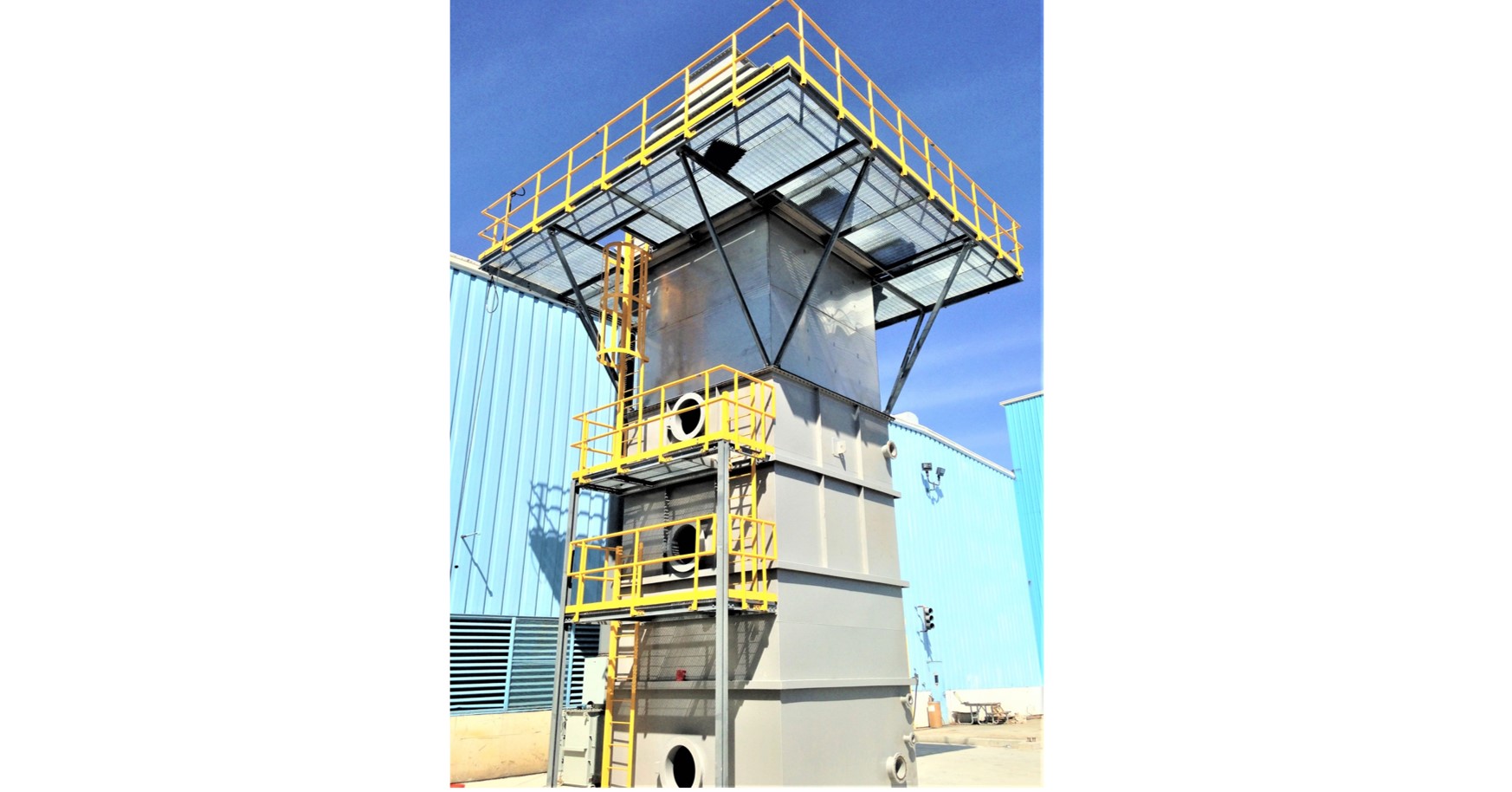
Industrial facilities are increasingly called upon to consider the use of wet electrostatic precipitators (WESPs) for emissions control as regulations for PM 2.5 and specific heavy metals become more stringent. Facility and Environmental, Health, and Safety (EHS) Managers may need [...]
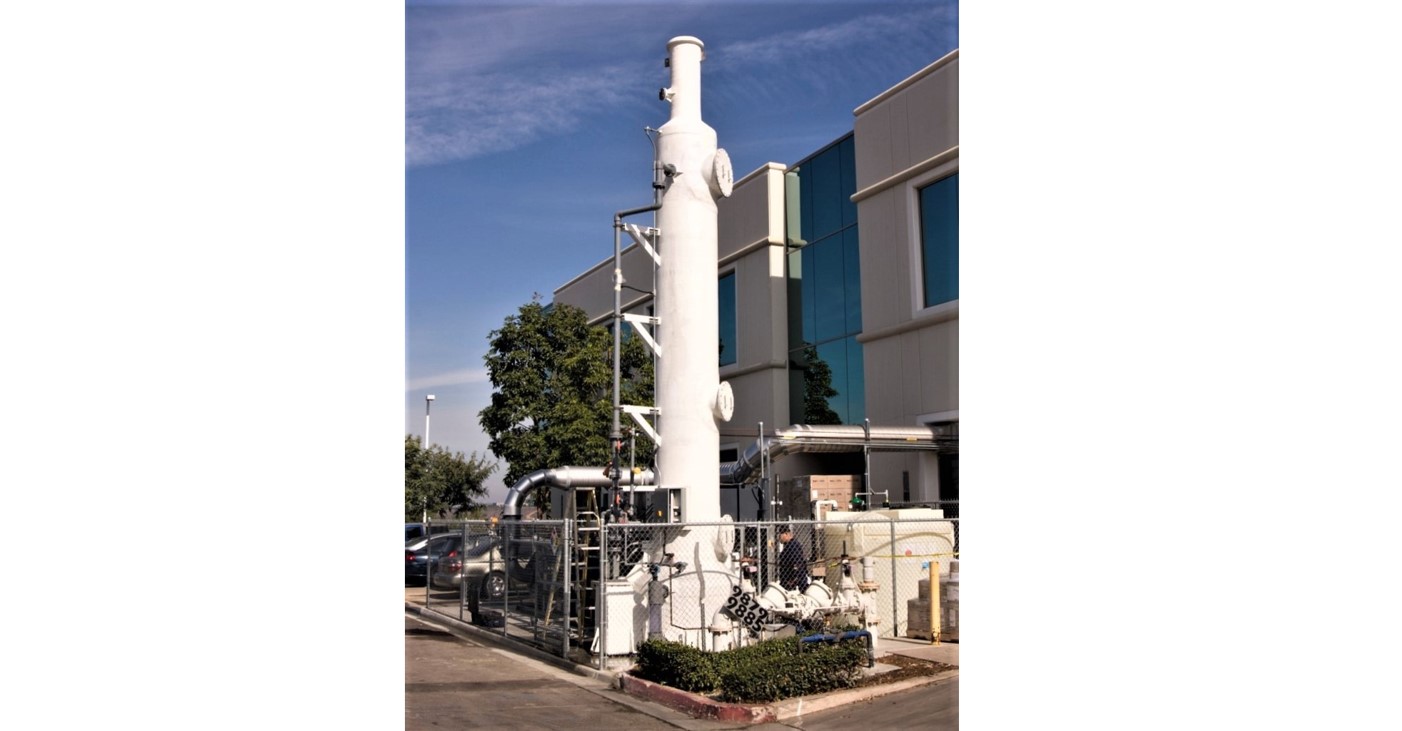
HCl emissions are encountered in a wide range of applications including hazardous waste combustors (HWC), medical waste incinerators, pharmaceutical production, and ceramic tile manufacturing. There is a wide range of performance requirements depending on the application and applicable state or [...]
Regenerative thermal oxidizer’s (RTO’s) are thermally efficient devices used to destroy low concentrations of volatile organic compounds (VOC’s). Chlorinated compounds, if present, oxidize into hydrochloric acid (HCl) which must be removed after the RTO. Two examples are Carestream Health in [...]
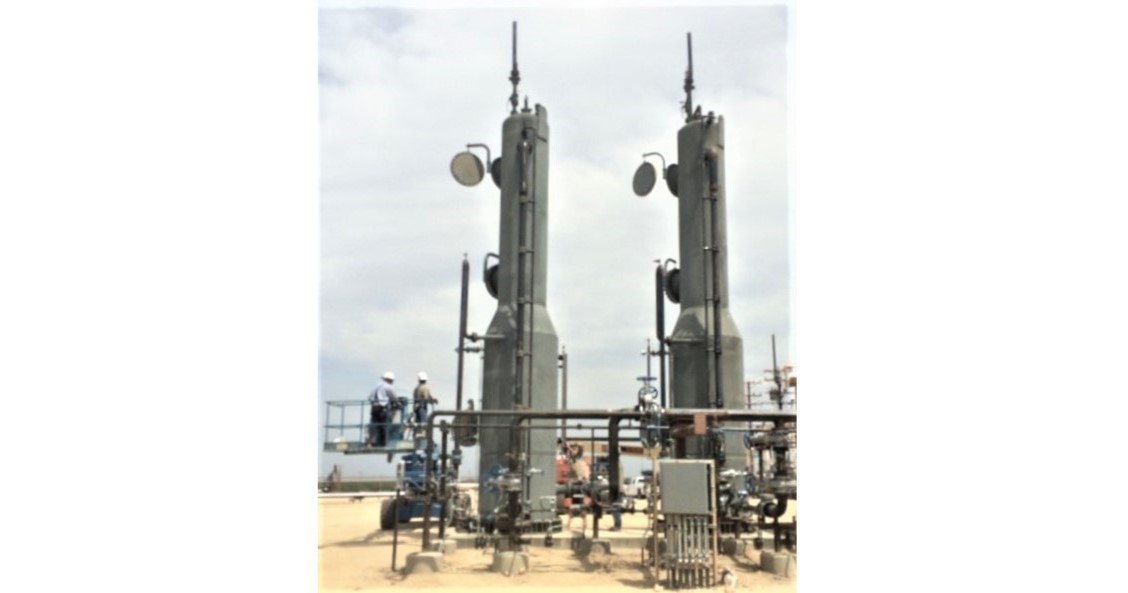
Vintage Petroleum, LLC, a subsidiary of Occidental Petroleum Corporation operates oil and gas fields in Lost Hills, California, northwest of Bakersfield. The fields operate steam boilers that use nearby canal water. High concentrations of dissolved oxygen in the canal water [...]

The metal recycling industry provides tremendous societal benefit by preserving natural resources and reducing greenhouse gases. Metal recycling entails pulverizing and shredding vehicles and appliances into smaller pieces to facilitate melting processes. Large mega shredders are often enclosed to capture [...]
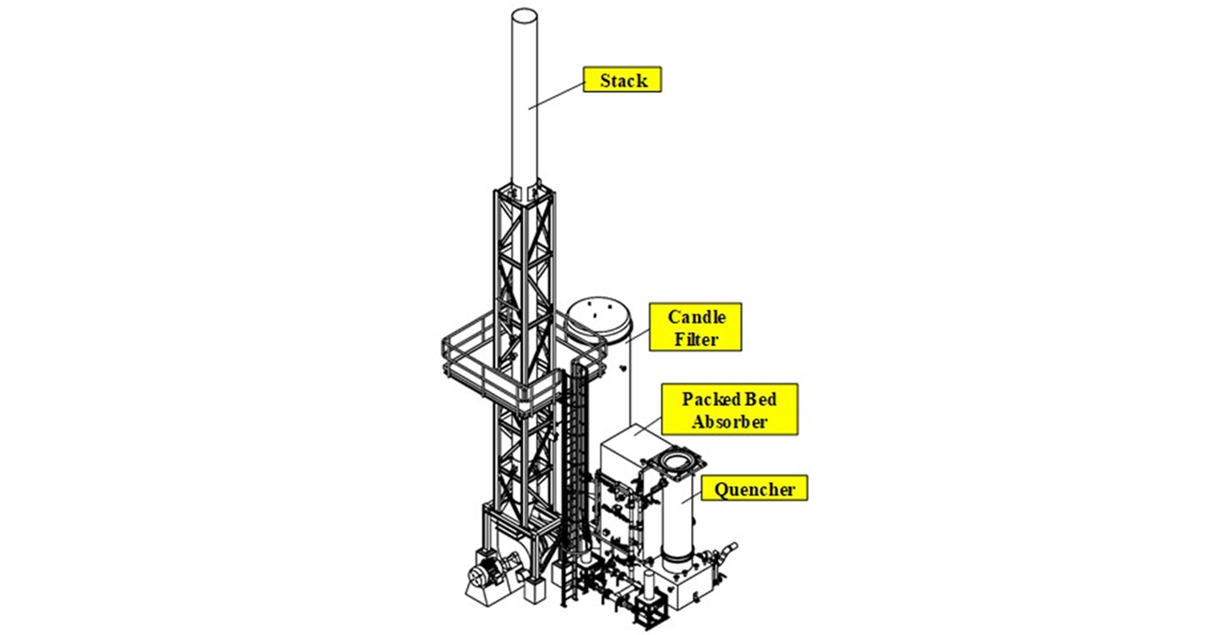
Waste oil is recycled and refined into low sulfur marine diesel and other industrial fuels at West Coast refineries. Waste gas is sent to thermal oxidizers for volatile organic compound (VOC) destruction. Sulfur compounds in the waste gas are oxidized [...]

BP Amoco was engaged in expanding production capacity for purified terephthalic acid (PTA) at the CAPCO 6 and Zhuhai 1 petrochemical plants in China. PTA is used in the manufacture of polyester resin and polyethylene terephthalate (PET) plastic bottles. It [...]
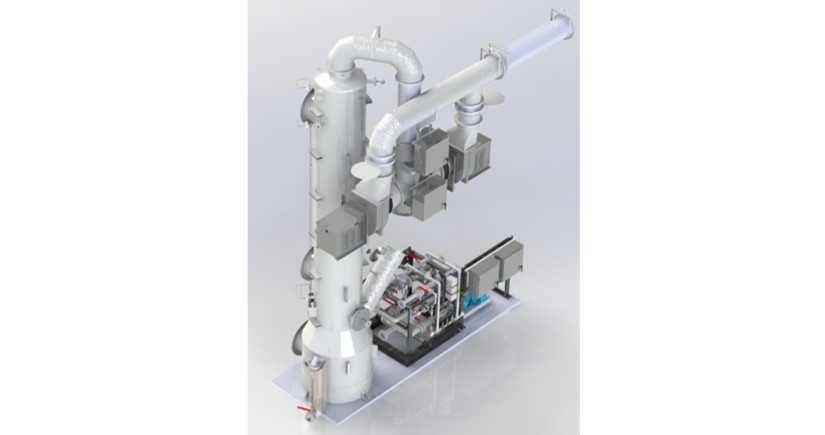
A major pharmaceutical company is implementing an expansion project in their Midwest facility. It includes two production Fermentors, a secondary feed tank and secondary make-up tank. Combined vent gases contain up to 1,500 ppmv (24 lb/hr) of Hydrogen Sulfide (H2S) [...]

As an equipment supplier of custom engineered wet scrubber equipment, Envitech frequently provides lunch and learns (L&L’s) to engineering companies to help educate engineers about the basics of available technology. Figure 1 below is a summary chart of predominant [...]

Early this year I posted about achieving ultra-low emission limits for medical waste incinerator scrubbers. An example was given for a captive incinerator at the University of Texas Medical Branch (UTMB) in Galveston, TX. It’s one of the only systems [...]

Venturi scrubbers are mechanical impaction devices that are used to control particulate on a wide range of applications. These include medical and hazardous waste incineration, potash drying, sewage sludge incineration and processing, coal drying, mineral wool manufacturing, and copper roasting [...]
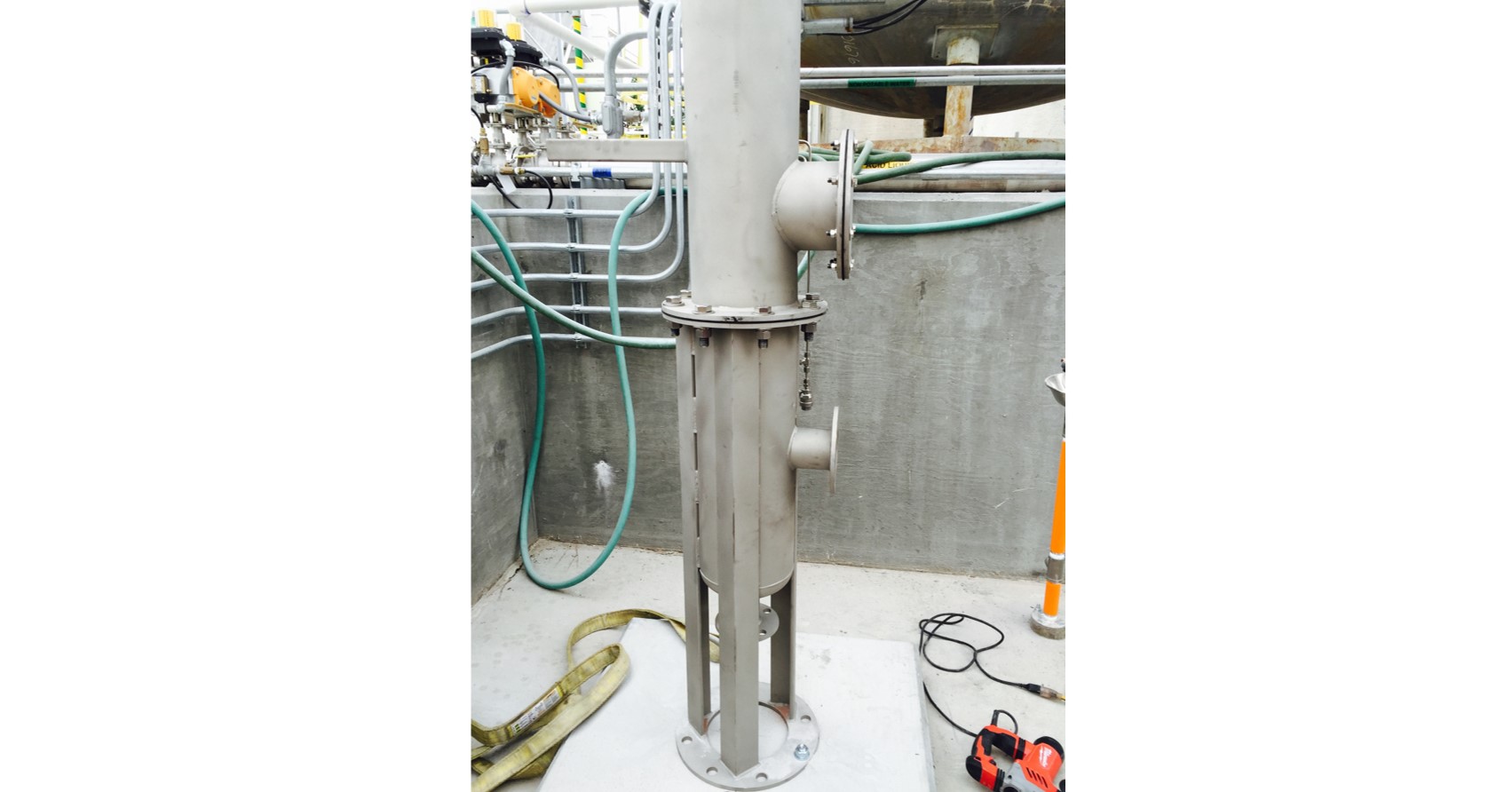
Ethylene amines are one of the major chemical building blocks. Ethylene amines include ethylenediamine (EDA), diethylenetriamine (DETA), triethyltriamine (TETA) as well as other longer chained ethylene amines. Amongst its many uses, ethylene amine is one of the two principal chemical [...]

Venturi Scrubbers are used to control particulate on a wide range of applications including medical and hazardous waste incineration, pot ash mining, sewage sludge processing and incineration, coal drying, textile and mineral wool insulation manufacturing and copper roasting. A previous [...]

A common application for small scrubber systems is an emergency vent scrubber for laboratories. Envitech's lab scrubber is a packaged packed bed absorber designed for high efficiency removal of water soluble contaminants (e.g. HCl, HF, HBr, SO2, NO2, etc.) from the gas [...]

A Venturi scrubber is a common air pollution control device that is used to remove particulate. Because it is a wet scrubber, collected particulate is purged in a liquid discharge stream called the blowdown. Venturi scrubbers are commonly used for [...]
Envitech is proud to launch a new scrubber service and maintenance program for all users of air pollution control equipment. Envitech offers the program to provide plant managers, environmental departments, plant engineering and operations and maintenance staffs access to our [...]

For years, many states have exempted industrial facilities from rules prohibiting the release of toxic pollution during startup, shutdown, and malfunctions. That could all soon change. On May 22, 2015, the U.S. Environmental Protection Agency (EPA) finalized a rule which [...]
With an expanding global population, demand for minerals continues to grow. Development of non-traditional resources is expected to increase to meet this growing demand. This includes copper resources challenged by high levels of arsenic. Mining operations may incur penalties for [...]
A geothermal plant produces a sustainable source of energy by converting super heated fluids from the earth’s geothermal resources into electrical energy. The fluids are recovered in theprocess and re-injected back into the earth. The following YouTube video from CalEnergy provides a [...]
The purpose of a wet electrostatic precipitator (WESP) is to remove particulates that are smaller than one micron from a gas stream. One of the common industrial applications is downstream of standard pollution control equipment on power plants or pulp [...]
A common application for Venturi scrubbers is potash mining. Venturi scrubbers are used to remove particulate from industrial dryers that dry the potash material. A cyclonic separator or chevron style entrainment separatordownstream of the Venturi removes particulate–laden water droplets from [...]
NOx refers to a class of pollutants that is any binary compound of nitrogen and oxygen and is a main contributor to what is commonly referred to as smog. It is most commonly produced in combustion processes, but can also [...]
Venturi scrubbers are commonly used in pollution control systems as particulate control devices. Particles are collected primarily according to their aerodynamic size through inertial mechanisms. Good particle collection is achieved by maintaining a high differential velocity between particles in the [...]
By Mike SimonDirector of Simulation Products, Digital Dimensions Understanding how simple design changes affect the airflow inside of Envitech's products is critical in designing efficient industrial gas cleaning systems. Engineers who design this equipment need to analyze and understand the [...]
As the EPA continues to tighten the emissions belt, I am seeing new industries with air emissions issues. One such industry is pharmaceuticals, who are now more commonly regulated for acid gases on post-combustion devices. Pharmaceutical air emissions are typically [...]
Venturi scrubber performance hinges on four key design factors: pressure drop, particle size, water flow, and entrainment separation. When a Venturi scrubber is not performing properly, it is best to review these design factors one-by-one. Pressure Drop Perhaps the most [...]
Acid gases can be found in the exhaust of a large number of combustion processes. As a gas, the acid compounds usually are not particularly corrosive and are relatively easy to remove. However, when the temperature of the gas drops below [...]
Envitech is often asked to make recommendations for particulate removal on a wide range of industrial applications. This might entail deciding if a Venturi scrubber can do the job or if a wet electrostatic precipitator (WESP) is required. Envitech uses proprietary modeling that [...]
The primary products of synthetic gas (syngas) production from biomass are hydrogen gas, carbon monoxide, and methane. Unfortunately, those are not the only compounds formed. Other compounds form depending on the elemental chemistry of the biomass. One of the more common [...]
Concern for global climate change coupled with high oil prices has generated new interest in renewable energy sources. One of these sources is waste to energy using gasification. Gasification is a thermal destruction process which produces synthetic gas (syngas) as [...]
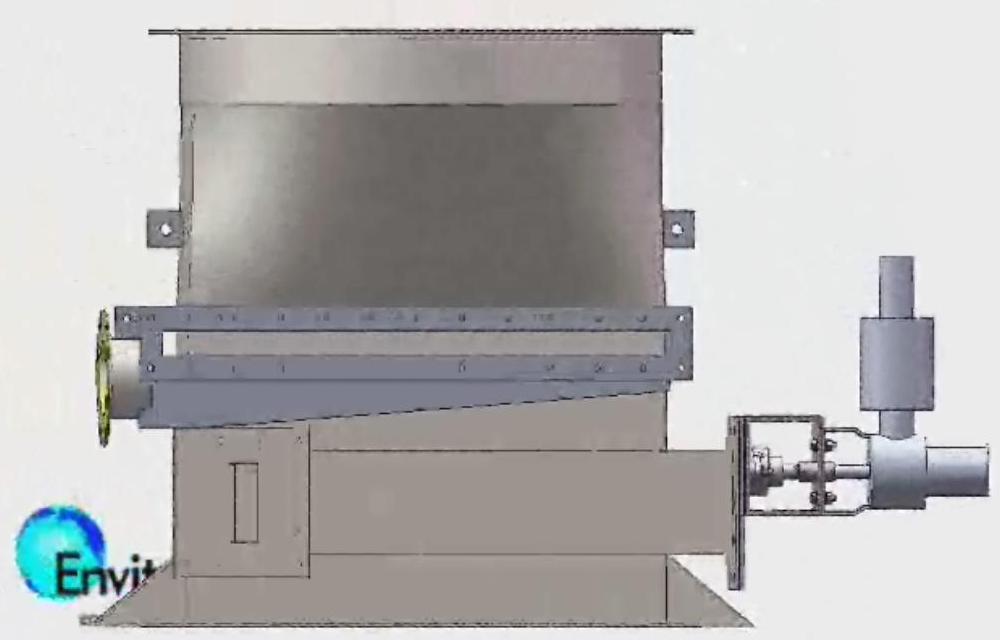
Venturi scrubbers are used for the removal of fine particulate. Gas is accelerated at a high speed through a Venturi throat. Water is injected perpendicular to the gas flow. The large water drops injected into the gas stream collide with the [...]
Calcium scale occurs everywhere. The photo on the right shows calcium carbonate scale lining the rock formations in Lake Mead, just above Hoover Dam. The calcium from this photo deposited as a result of dissolution of calcium in upstream limestone rock formations along [...]
Acid gas scrubbers are commonly used for the removal of acid gases, such as sulfur dioxide, hydrochloric acid, chlorine, hydrofluoric acid, and nitrogen dioxide. These scrubbers typically use a basic reagent; often sodium hydroxide, soda ash, or lime to keep the [...]
Expertiserob2024-05-03T12:11:43-07:00